Restful Sleep and Better Health with Advanced In-Office Sleep Apnea Diagnosis
You wake up feeling like you didn’t actually sleep. Your partner complains about your snoring; you wake with a dry mouth or pounding headache; and by mid-afternoon, you’re struggling to keep your eyes open.
It’s tempting to write off these patterns as stress or getting older, but there might be a medical reason. Sleep apnea is incredibly common, and it’s far more treatable than many people realize.
Ross Medical Group offers advanced sleep apnea diagnosis right in our office so you can move from questions to answers without the hassle of multiple referrals or unfamiliar doctor’s offices. Here’s how a sleep apnea diagnosis might be the first step to restful sleep and better health.
Why sleep apnea can impact sleep quality — and your health
Sleep apnea occurs when your airway repeatedly collapses or narrows during sleep, which briefly interrupts your breathing. Oxygen levels dip with each pause, and your heart works harder to compensate.
Your brain reacts to these interruptions by pushing you toward lighter sleep stages and pulling you out of deeper, restorative sleep, so you may spend hours in bed without ever getting the real rest your body needs.
You might wake up feeling tired or regularly get morning headaches. And over time, this pattern carries real health consequences beyond just fatigue. Untreated sleep apnea is linked to high blood pressure, irregular heart rhythms, heart disease, stroke, and difficulty managing blood sugar.
Because the condition develops gradually and happens while you’re asleep, many people live with it for years without realizing what’s causing their symptoms. In fact, you’re often the last person to notice sleep apnea, which is why the people who share your bedroom are so valuable.
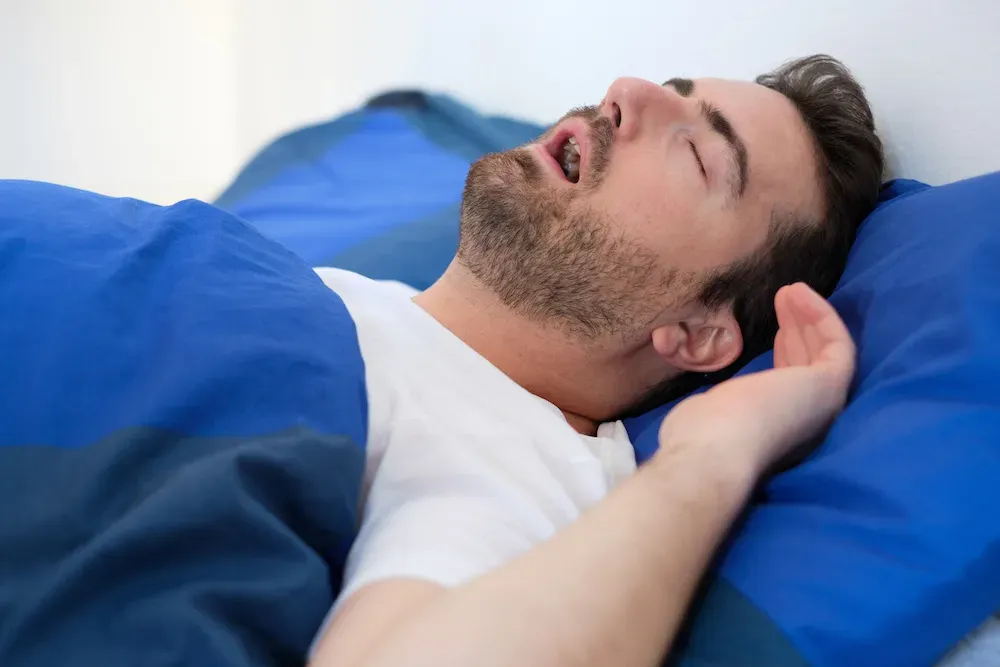
Your partner may hear loud snoring punctuated by long silences, followed by a gasp or choking sound. You may wake with a sore throat, feel short of breath during the night, or need to urinate frequently.
During the day, the signs tend to show up as persistent fatigue, difficulty focusing, forgetfulness, or a short temper. Some people find they doze off during conversations or while driving, which is a safety concern worth taking seriously. If any of these sound familiar, it’s worth asking your doctor about sleep apnea testing rather than assuming you’re simply tired.
How in-office sleep apnea diagnosis simplifies the process
Traditionally, getting a sleep apnea diagnosis meant being referred outside your primary care provider, scheduling a sleep study at an unfamiliar facility, and waiting for results to filter back through several offices.
At Ross Medical Group, diagnostic testing is part of your primary care experience, and you can get the answers you need without waiting for specialist appointments. We can review your symptoms, medical history, and risk factors, then determine which sleep apnea test is the best fit for your situation.
Testing options generally fall into two categories. A home sleep apnea test lets you sleep in your own bed while wearing a small device that tracks airflow, breathing effort, and oxygen levels. It’s convenient and effective for many people with moderate to severe obstructive sleep apnea.
For patients with complex symptoms or other health conditions, an in-lab sleep study (polysomnography) provides a more comprehensive picture of brain activity, heart rhythm, and movement during sleep. We receive your results immediately after your test, which means you spend less time waiting and more time discussing next steps.
What happens after your sleep apnea diagnosis
You come back to the office for a follow-up appointment after your sleep study, and we review your results with you in person. We explain whether you have sleep apnea, how severe it is, and what it means for your day-to-day health.
Next, we discuss treatment options. Continuous positive airway pressure (CPAP) therapy delivers steady air pressure through a mask to keep your airway open, and it’s the most effective treatment option for many people.
You might also benefit from lifestyle adjustments like weight management, sleeping on your side instead of your back, or avoiding alcohol close to bedtime. Dental devices that reposition the jaw and tongue can help some people, and surgical options are available when other approaches fall short.
If you wake up exhausted, if your snoring worries those around you, or if you have high blood pressure and other risk factors, schedule your sleep apnea evaluation at Ross Medical Group. Let us help you find out what’s keeping you from restful sleep and build a plan that brings your energy back.